
용감한포도T1744936284242
Adult Acne: From Causes to Treatments and Management Strategies
2025.11.15 07:20
1. Definition and characteristics of adult acne
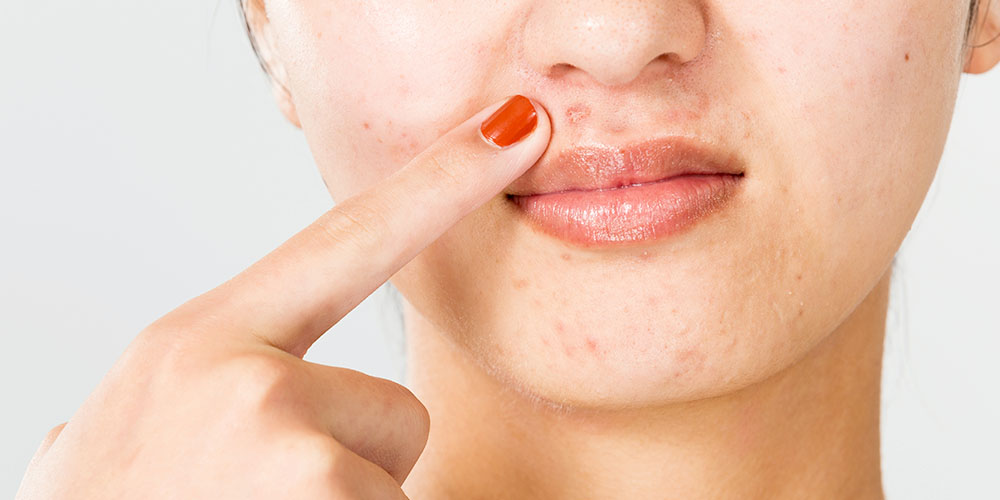
Adult acne generally refers to acne that persists or develops in adults in their 20s or 30s.
It has different patterns and causes than teenage acne, and often presents with recurring inflammatory lesions or whiteheads on the jawline, cheeks, under the chin, and around the neck.
Adult acne is divided into persistent acne, late-onset acne, and recurrent acne.
This classification has important implications for treatment strategies and etiological analysis.
2. Analysis of the causes of adult acne
Adult acne is caused by a combination of factors rather than a single cause.
2.1 Hormonal factors
Androgens stimulate the sebaceous glands, increasing sebum secretion.
Women in particular are prone to hormonal imbalances due to stress, lack of sleep, menstrual cycles, and polycystic ovary syndrome (PCOS).
Genetic factors also play a role, and adult acne is more common if there is a family history of the condition.
2.2 Dietary factors
A high-glycemic diet (sweet foods, refined carbohydrates, etc.) increases insulin and IGF-1 levels, which stimulate sebum production and keratinocyte proliferation.
Dairy product consumption can also induce IGF‑1 and insulin responses, so caution is advised.
2.3 Stress and Lifestyle
Stress increases cortisol secretion, which stimulates sebaceous gland activity and triggers an inflammatory response.
Lack of sleep, smoking, certain medications, and comedogenic cosmetics can also worsen acne.
2.4 Genetic and immune factors
If you have a genetic predisposition, you are at a higher risk of developing adult acne.
Additionally, chronic inflammation of the immune system or the presence of Cutibacterium acnes may worsen acne lesions.
3. Dermatological treatment strategy
Treatment for adult acne focuses on controlling the root cause and maintaining long-term skin condition, rather than simply alleviating symptoms.
-
Removes waste, sebum, and dead skin cells from pores: Aqua Peel Management
-
If extrusion is required: Basic Basic Management
-
Improve dark pigmentation and skin tone: Laser toning, pico toning
-
Red scar marks: IPL acne mode, MLA toning
-
Concerns about pores, skin texture, and fine scars: Picofraxel, CO2 Fraxel
-
Sebum control: Capri Laser
Additionally, it is more effective when combined with topical treatments such as retinoids, benzoyl peroxide, salicylic acid ointment, and antibiotics, and oral treatments such as spironolactone, hormonal contraceptives, oral antibiotics, and in severe cases, isotretinoin.
Combining treatments with medications can help manage both acne and scars simultaneously.
4. Lifestyle improvement strategies
4.1 Dietary Management
Control your intake of foods and dairy products with a high glycemic index (GI), and maintain a balanced diet centered on protein, vegetables, and fruits.
Drinking enough water helps keep your skin hydrated and helps remove waste products.
4.2 Stress Management
Relieve stress with meditation, yoga, and regular exercise.
Get enough sleep and maintain a regular sleep pattern.
4.3 Skincare Habits
Use non-comedogenic products
Gentle cleansing that does not over-irritate the skin
Avoid touching your face with your hands frequently
Wear light makeup and wash frequently.
Use sunscreen consistently
5. Considerations for Adult Acne Treatment
Treatment requires a medium- to long-term approach.
A personalized treatment plan is important and must take into account an individual's hormonal status, skin type, and lifestyle.
Regular dermatological consultations and treatment progress monitoring are also necessary.
Side effect management and maintenance therapy are also essential.
6. Conclusion
Adult acne is a complex condition caused by a variety of factors, including hormones, genetics, stress, and diet.
The most effective treatment is a combination strategy of topical therapy, oral therapy, surgical therapy, and lifestyle modification.
You can control your symptoms and maintain a stable skin condition in the long term through regular dermatological care and consistent lifestyle improvement.
The key is to develop a personalized treatment plan that works for you.
Comments1